
Rebuilding soil organic carbon on an Indian farm
What organic carbon actually does, why it has fallen, and what realistic recovery looks like over three to five seasons.
Carbon is the property everything else rests on
Soil organic carbon is not one soil property among many. Structure, water-holding, cation exchange and biological activity all track it. When carbon falls, each of those degrades together, which is why a soil can pass a nutrient test and still perform badly.
This is also why adding more fertiliser to a low-carbon soil returns less each year. The nutrients are supplied; the soil's ability to hold and release them is not.
Why it fell
Intensive cropping with residue removed or burned takes carbon out every season and puts little back. Repeated tillage accelerates the loss by exposing organic matter to oxidation. Over decades, that is a large withdrawal from a slow-refilling account.
- Residue removed or burned rather than returned
- Continuous cropping with short or no fallow
- Repeated deep tillage
- Little or no organic amendment applied
What recovery actually looks like
Organic carbon rises slowly. A measurable change in a laboratory figure usually takes several seasons of consistent addition, not one application. What growers notice earlier are the working symptoms: the soil breaks up more easily, water goes in instead of running off, and beds stay moist longer.
Be sceptical of any supplier promising a dramatic carbon jump in one season. The chemistry does not move that fast, and a claim that big is a reason to check everything else they have told you.
A workable programme
Apply organic matter every season at a rate you can sustain, return crop residue where practical, reduce unnecessary tillage, and keep the soil covered when you can. Compost is the most controllable input in that list. It is the one you can order to a schedule and apply at a known rate.
- The solution
- Vermicompost for organic farming
- How it is made
- The ten-stage production process
Related guides

How much vermicompost per acre? A practical way to decide
Why a single blanket rate is the wrong question, and how to work out a figure from your crop, your soil and your budget.
Read the guide →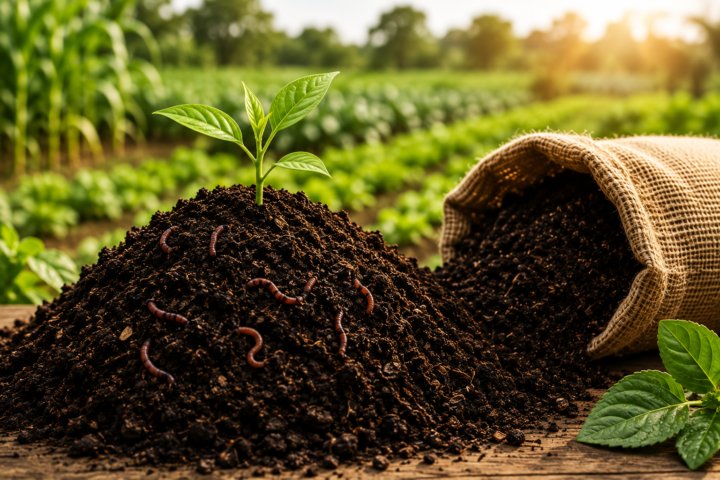
Vermicompost vs farmyard manure: an honest comparison
Where FYM is the better economic choice, where vermicompost earns its price, and how most farms end up using both.
Read the guide →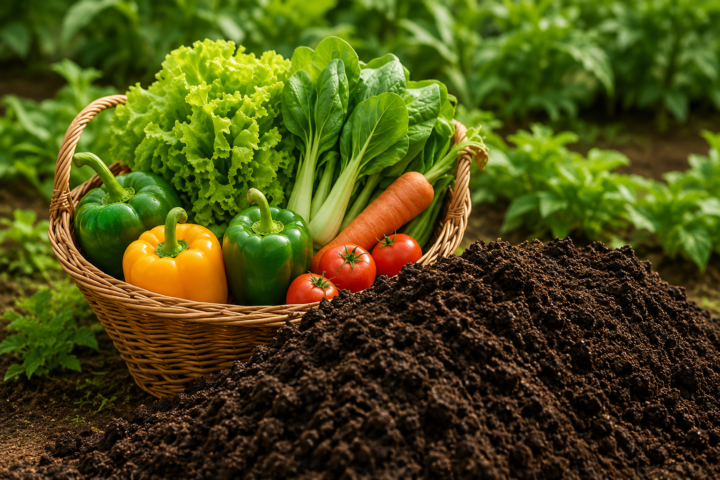
Planning the organic conversion years without losing the farm
The yield dip during conversion is real. How to plan organic-matter supply so the transition is survivable.
Read the guide →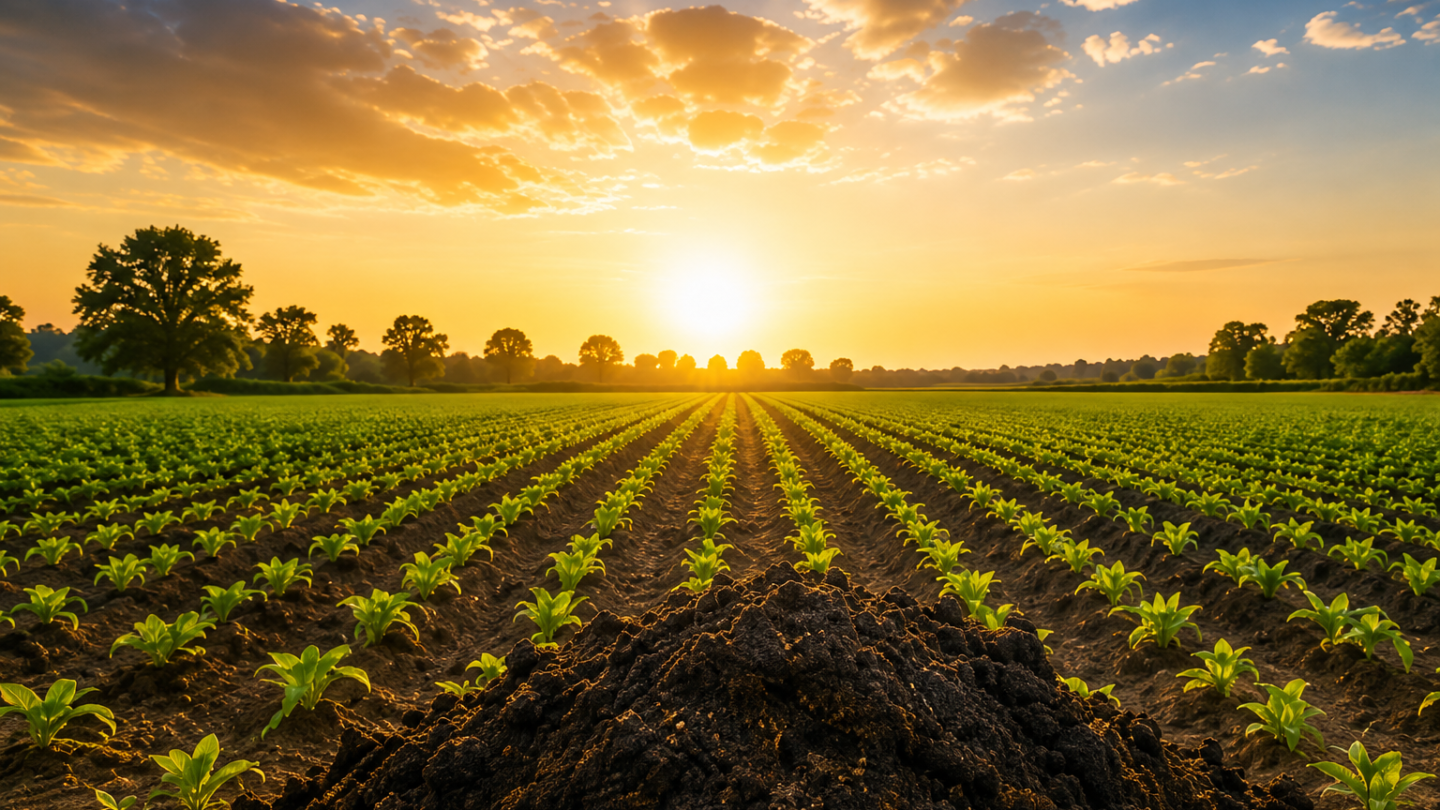
Ready to talk quantities?
Tell us the crop, the area and where it needs to land. Commercial enquiries are answered the same working day.